Spring Planning for Cement Pad Installation with Local Service Providers
Plan your spring project by connecting with local contractors who specialize in cement pad installation to enhance your property's functionality and curb appeal.
Spring is a popular season for property owners to consider cement pad installation because it offers optimal conditions for outdoor construction projects. As temperatures begin to rise and the ground warms, it becomes easier to work with concrete and ensure proper curing. Additionally, spring provides an ideal window for planning and preparing for summer use, whether that means creating a stable foundation for a shed, patio, or outdoor equipment. The season’s moderate weather helps minimize delays caused by extreme cold or heat, making it a practical time to undertake these projects and ensure long-lasting results.
Cement pad installation typically involves preparing the site, leveling the ground, and pouring a concrete slab that serves as a durable foundation. Many service providers include site assessment, excavation, and grading as part of their standard offerings. Once the area is prepared, the concrete is poured, smoothed, and finished to meet the specific needs of the property owner. Some projects may also incorporate reinforcement features such as rebar or mesh to enhance strength and longevity. Local contractors often tailor their services to match the unique conditions of the area, ensuring that the finished pad is stable and ready for whatever use is planned.
Property owners interested in cement pad installation can compare local options by evaluating the experience and scope of services offered by different contractors. It’s helpful to review the types of projects each service provider has completed and inquire about their process for site preparation and finishing. Checking for local references or reviews can provide insight into the quality of work and reliability. Since many contractors serve the same geographic area, comparing their offerings can help identify providers that align with specific project needs and preferences, making it easier to choose a dependable partner for springtime outdoor improvements.
Compare local contractors to prioritize your spring cement pad project and find the best fit for your needs.
- Expert Cement Pad Installation - Local contractors provide professional installation services to ensure a durable foundation.
- Spring Planning for Outdoor Projects - Spring is an ideal time to prepare and schedule cement pad installations for upcoming outdoor improvements.
- Material and Design Options - Service providers can assist in selecting suitable materials and designing a cement pad that fits outdoor needs.
- Trusted Local Service Providers - Connect with experienced local contractors who specialize in cement pad installation to handle the project efficiently.
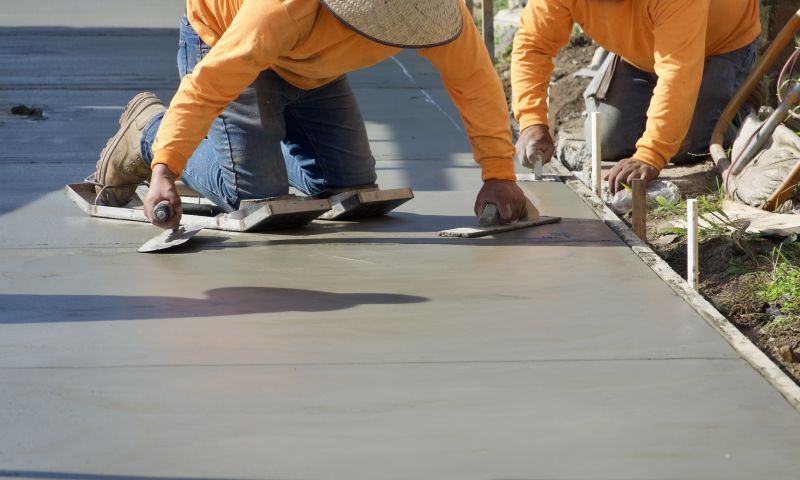
Clearly describe your Cement Pad project to local contractors before comparing options for spring installation.
- Check that the site for the cement pad is level and free of debris to ensure proper installation. - Local contractors can assess the ground conditions and prepare the area accordingly.
- Ensure the dimensions of the pad are accurately measured to match the intended use and space requirements. - Service providers can help confirm measurements for a precise fit.
- Verify that the soil underneath the pad is stable and well-compacted to prevent future cracking or shifting. - Experienced local pros can evaluate soil stability and perform necessary compaction.
- Look for proper drainage planning around the pad to avoid water pooling or erosion issues. - Contractors can incorporate drainage solutions during installation.
- Confirm that the chosen location complies with any local zoning or setback regulations for cement pads. - Local service providers are familiar with regional guidelines and requirements.
- Discuss the type of concrete and reinforcement options with local contractors to ensure durability for seasonal use. - Professionals can recommend suitable materials and reinforcement techniques.
Use this as a starting point to explore ideas with local contractors for your spring cement pad project.

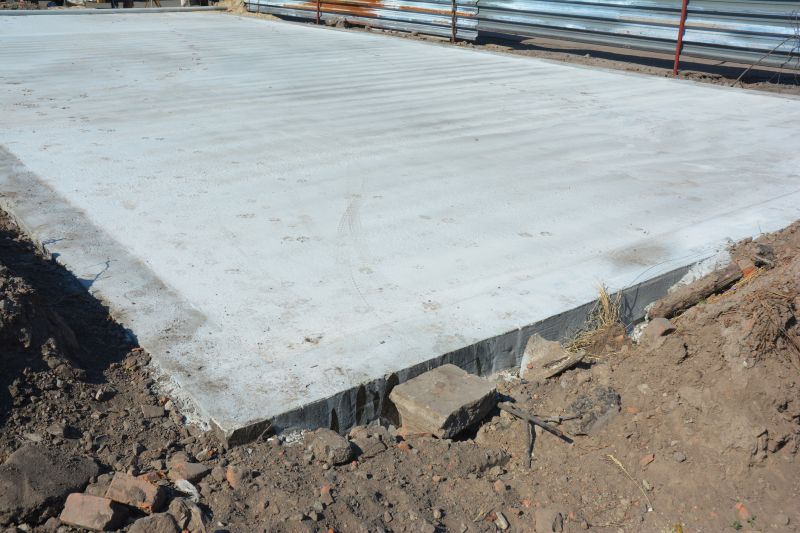
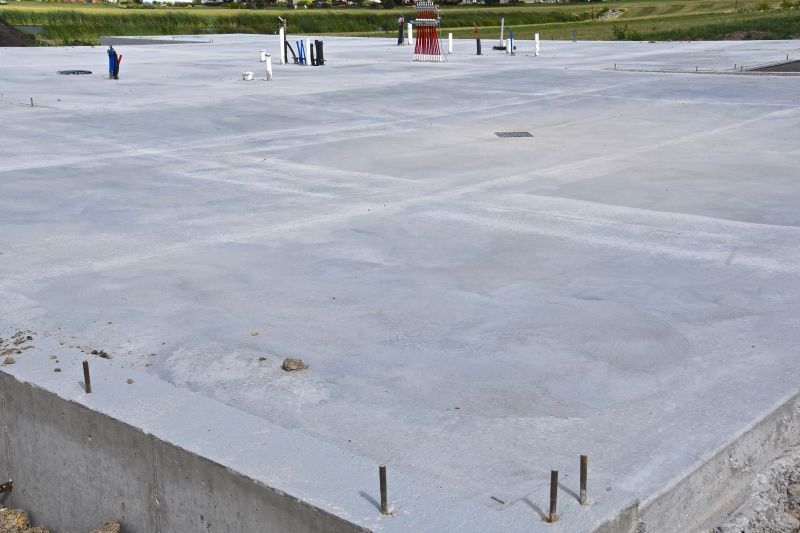
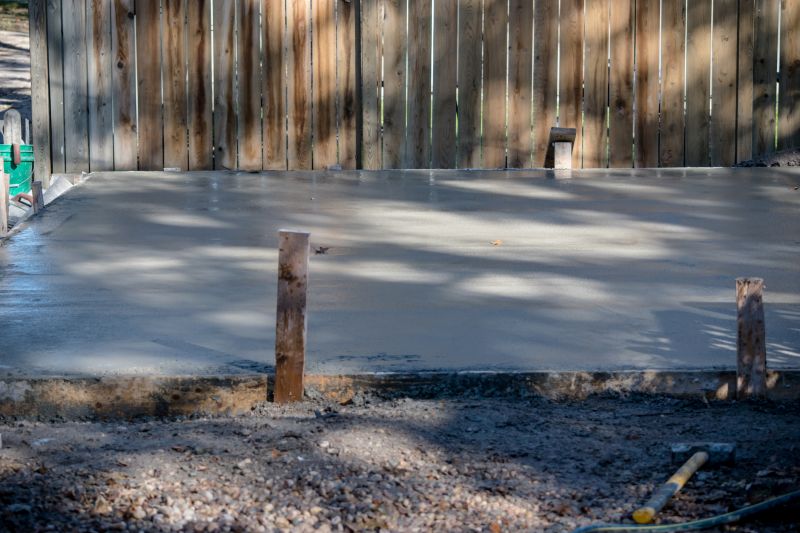
Prioritize your project needs and compare local contractors to find the best service providers for your spring installation.
- Site Preparation - Local contractors can assess the area and prepare the ground to ensure a stable foundation for the cement pad.
- Design Planning - Service providers can help determine the appropriate size and thickness of the pad to meet seasonal needs.
- Form Construction - Professionals can build forms to shape the cement and support proper curing during installation.
- Mixing and Pouring - Experienced contractors can handle mixing and pouring concrete to achieve a smooth, level surface.
- Finishing Touches - Local pros can add finishing details like edging or sealing to enhance durability and appearance for spring use.
Compare cement pad installation options from trusted local contractors to ensure consistent quality across providers this spring.
- Site Assessment - Determine the location and size of the cement pad to ensure proper support and accessibility.
- Foundation Preparation - Verify that the ground is properly cleared, leveled, and compacted to provide a stable base.
- Form Construction - Define the form layout and materials needed to shape the concrete pour accurately.
- Drainage Planning - Identify necessary drainage considerations to prevent water accumulation around the pad.
- Material Selection - Choose appropriate concrete mix and reinforcement options suitable for the intended use and climate.
When evaluating service providers for cement pad installation during the spring season, it’s important to consider their experience with similar projects. Homeowners should inquire about the types of structures or surfaces the contractors have previously worked on, especially those involving outdoor pads or flat concrete work. An understanding of a contractor’s background in handling spring-specific conditions, such as fluctuating temperatures and moisture levels, can help ensure the project is completed smoothly and meets expectations. Experienced local contractors often have insights into common challenges and best practices for springtime installations, which can contribute to a more reliable outcome.
Clarity in the scope of work is essential when comparing local service providers. Homeowners should seek detailed descriptions of what each contractor’s installation process includes, from site preparation and foundation work to finishing touches. Clear documentation helps avoid misunderstandings and ensures that all parties are aligned on project expectations. A well-defined scope also provides a basis for evaluating the thoroughness of each contractor’s approach, including considerations like site grading, drainage, and material quality-factors that can impact the longevity and performance of the cement pad.
Work planning considerations are particularly relevant during the spring season, as unpredictable weather can influence project timelines. When assessing local contractors, homeowners should ask about their planning strategies for dealing with spring’s variable conditions. This includes how they schedule work around rain or temperature fluctuations and what measures they take to protect the site during installation. Contractors who demonstrate a thoughtful approach to seasonal planning are often better equipped to deliver consistent results, minimizing delays and ensuring the project progresses efficiently despite spring’s weather challenges.
Evaluating options without focusing solely on prices involves examining each service provider’s expertise, communication clarity, and project management approach. Homeowners can compare how well each contractor explains their process, responds to questions, and outlines the steps involved in the installation. It’s also helpful to consider their reputation for reliability and their ability to coordinate work effectively. By focusing on these qualitative factors, homeowners can identify local pros who are capable of delivering a professional, well-executed cement pad installation that aligns with their springtime project goals.
Ask for written scope details to ensure clarity and consistency with local contractors during your spring cement pad project.
- Scope Clarification - What specific preparations and surface preparations do local contractors include in their cement pad installation services?
- Material Options - How do different service providers compare in terms of concrete types and finishing options for spring installations?
- Experience and Expertise - What experience do local contractors have with springtime cement pad projects in similar environments?
- Service Offerings - Do providers offer additional services such as reinforcement or drainage solutions as part of the installation scope?
- Comparison Factors - How do local contractors' scope definitions help clarify what is included versus what might require additional work?
What is a cement pad installation? Cement pad installation involves pouring and setting a concrete surface to create a stable base for structures like sheds, decks, or outdoor appliances.
Why is spring a popular time for cement pad projects? Spring offers favorable weather conditions that help ensure proper curing and reduce the risk of weather-related delays for cement pad installations.
What factors should be considered before installing a cement pad? Important considerations include the size and location of the pad, ground preparation, and ensuring proper drainage to prevent future issues.
How long does a typical cement pad installation take? The duration depends on the size and complexity of the project, but local contractors can provide estimates based on specific site requirements.
Are there any preparations needed before a cement pad installation? Yes, the area should be cleared and leveled, with proper ground compaction and base materials added to ensure stability.
How can I find local contractors for cement pad installation? This website can help connect with trusted local service providers who specialize in cement pad projects in the area.
This overview has highlighted the essential aspects of cement pad installation, including planning considerations, preparation steps, and the benefits of working with experienced local contractors. Spring is a popular time for outdoor projects, making it an ideal season to explore your options and get started on your space. Utilizing the quote form allows you to compare local service providers who can handle the job efficiently, helping you find the right match for your project needs.
By completing the quote form, you can connect with local contractors ready to assist with cement pad installation, ensuring your outdoor setup is both functional and durable. Spring offers a great opportunity to refresh your property, and reaching out to local service providers can help turn your ideas into reality. Comparing options through the form ensures you have access to a variety of local professionals suited to your project.
Providing clear details about your cement pad installation helps local contractors understand your project needs effectively.
- Project Details - Share information about the size and location of the area requiring a cement pad.
- Material Preferences - Describe any specific types of concrete or finishing styles preferred for the installation.
- Preparation Needs - Indicate if existing surfaces need removal or site preparation before installation.
- Additional Features - Mention any extra elements such as reinforcement, drainage, or decorative finishes to be included.